





Help with Unfiled Taxes in Philadelphia — Expert Tax Resolution & Back-Tax Filing
Dealing with unfiled tax returns can feel overwhelming — especially if you live in Philadelphia. This guide explains how to get help filing back taxes, the penalties you could face for not filing, and the practical steps to become current. We also cover key IRS relief options like the Fresh Start Initiative and the Offer in Compromise, how to manage tax debt and payment plans, and how J David Tax Law can guide you through the process.
How to Get Help Filing Unfiled Tax Returns in Philadelphia
Tax resolution services give you professional guidance on the rules, deadlines, and options available — helping reduce penalties and avoid costly mistakes.
What Are the Risks and Penalties for Unfiled Tax Returns?
Not filing tax returns can lead to steep consequences: monetary penalties, collection actions, and damage to your credit or financial stability. The IRS generally charges a failure-to-file penalty of 5% of the unpaid tax for each month (or part of a month) a return is late, up to 25%. Unfiled returns can also trigger tax liens and wage garnishments, which complicate your finances. Knowing these risks makes it easier to choose the right next steps.
What Steps Are Involved in Filing Back Taxes in Philadelphia?
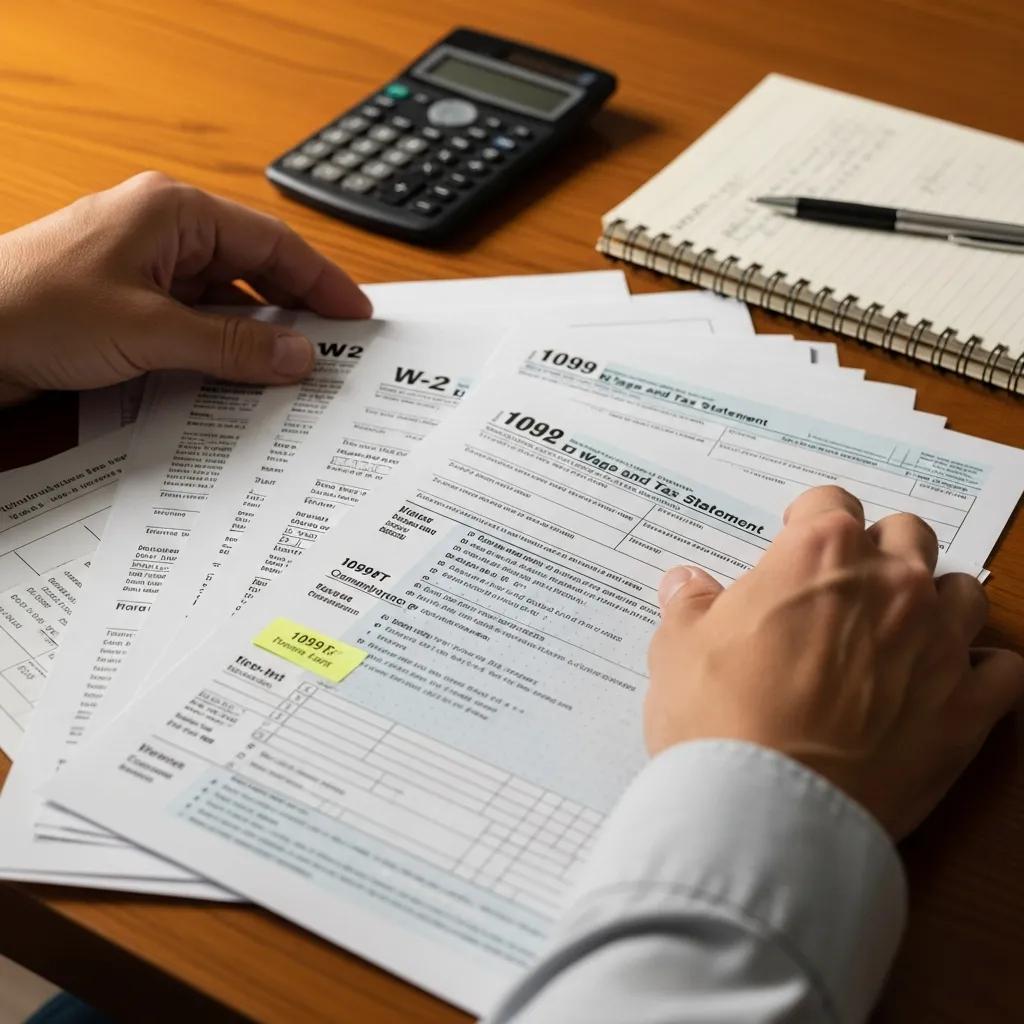
Filing back taxes usually follows a few clear steps: gather W-2s, 1099s, and other records for each missing year; prepare and complete the correct tax forms for those years; and file the returns with the IRS. Many people benefit from professional help to ensure accuracy and avoid missed opportunities for relief. If you owe, consider arranging a payment plan when you submit the returns.
What IRS Tax Relief Programs Are Available for Philadelphia Taxpayers?

Taxpayers in Philadelphia can turn to several IRS programs designed to ease the burden of tax debt. These options can lower penalties, spread payments out over time, or—when appropriate—settle debts for less than the full amount owed.
How the IRS Fresh Start Initiative Helps with Tax Debt Relief
The IRS Fresh Start Initiative makes repayment more manageable by expanding installment agreements and offering penalty relief for qualifying taxpayers. If you qualify, Fresh Start can reduce immediate pressure and buy time to get your tax affairs in order.
What Is the Offer in Compromise and How Can It Reduce Tax Debt?
The Offer in Compromise (OIC) allows eligible taxpayers to settle a tax liability for less than the full amount owed. It’s intended for those with limited ability to pay; the IRS evaluates your financial situation and may accept a reduced lump-sum or payment-plan offer to resolve the debt.
How Can Philadelphia Residents Manage Tax Debt and Payment Plans?
Managing tax debt effectively means knowing your options and choosing a plan that fits your budget. The right strategy can stop collection actions and set a clear path toward becoming current.
What Are IRS Payment Plans and How Do They Work?
IRS payment plans let you pay taxes over time. Short-term plans generally allow repayment within 120 days. Long-term installment agreements can extend up to 72 months (6 years). Qualification depends on your financial picture and your ability to make regular payments.
How Can Wage Garnishment and Tax Liens Be Resolved?
If the IRS has issued a wage garnishment or tax lien, start by contacting the IRS to explore options like a payment plan or an Offer in Compromise. Legal representation can help negotiate with the IRS, request lien withdrawals where eligible, and protect your rights during the process.
How Does J David Tax Law Provide Tax Resolution Services in Philadelphia?
J David Tax Law focuses on practical, results-driven tax resolution for Philadelphia residents who have unfiled returns or outstanding tax debts. Our team combines tax expertise with personalized service to create plans that fit each client’s situation.
What Personalized Legal Representation Does J David Tax Law Offer?
The firm develops tailored strategies after a careful review of your records and goals. Whether that means negotiating with the IRS, filing back returns, or arranging payment terms, we build a plan designed to resolve your issue as efficiently as possible.
How Does the Firm Defend Clients Against Tax Audits?
Tax audits can be stressful. We prepare clients by collecting the right documentation, explaining the process, and representing them in communications or meetings with the IRS. Our experience helps ensure audits proceed fairly and that clients’ rights are protected.
What Are Common Questions About Unfiled Taxes and Tax Relief in Philadelphia?
People frequently ask about stopping collection actions, qualifying for relief, and how long resolutions take. Clear answers help you decide the best way forward.
How Do I Stop Wage Garnishment and Tax Liens?
To stop garnishments or liens, contact the IRS to discuss repayment options, request a payment plan, or explore an Offer in Compromise. Legal counsel can negotiate on your behalf and request temporary holds while you pursue a formal resolution.
What Are the Eligibility Criteria for IRS Tax Relief Programs?
Eligibility varies by program, but most relief options require documentation of income, expenses, and financial hardship. The IRS evaluates your ability to pay, so accurate financial records are essential when applying for relief.
Conclusion
Unfiled taxes can be stressful, but there are clear, practical paths to resolve them. Understanding penalties, relief programs, and repayment options helps you regain control. If you need help, J David Tax Law offers experienced guidance tailored to Philadelphia taxpayers — contact our team to discuss your situation and next steps.
Frequently Asked Questions
What Should I Do If I Haven't Filed Taxes for Multiple Years?
Start by collecting all income records for the missing years: W-2s, 1099s, bank statements, and any business records. File the oldest returns first and work forward. A tax professional can help reconstruct records and file accurately, which reduces penalties and improves your chances for favorable repayment terms.
Can I Get a Refund for Previous Years If I File Late?
Possibly. You can claim a refund only if you file within three years of the original due date for that tax year. After that window closes, any refund is forfeited, so file late returns promptly if you expect a refund.
How Can I Protect Myself from Future Tax Issues?
Keep organized records, file on time, and set aside money regularly for taxes. If your situation changes, consult a tax professional early to adjust withholding or estimated payments. Staying proactive prevents small problems from becoming larger ones.
What Happens If I Ignore My Tax Debt?
Ignoring tax debt usually makes the problem worse: penalties and interest add up, and the IRS can place liens, levy bank accounts, or garnish wages. Addressing the debt early increases your options and reduces long-term costs.
Are There Tax Relief Options for Self-Employed Individuals?
Yes. Self-employed taxpayers can use installment agreements, Offers in Compromise, and other relief programs. Properly documenting business expenses can also reduce taxable income. A tax professional can identify the best approach for your business and personal finances.
How Long Does It Take to Resolve Tax Issues with the IRS?
Resolution time varies. Simple cases may close in a few weeks; complex matters—like Offers in Compromise—can take several months. Promptly providing documentation and staying in communication with the IRS speeds the process.