




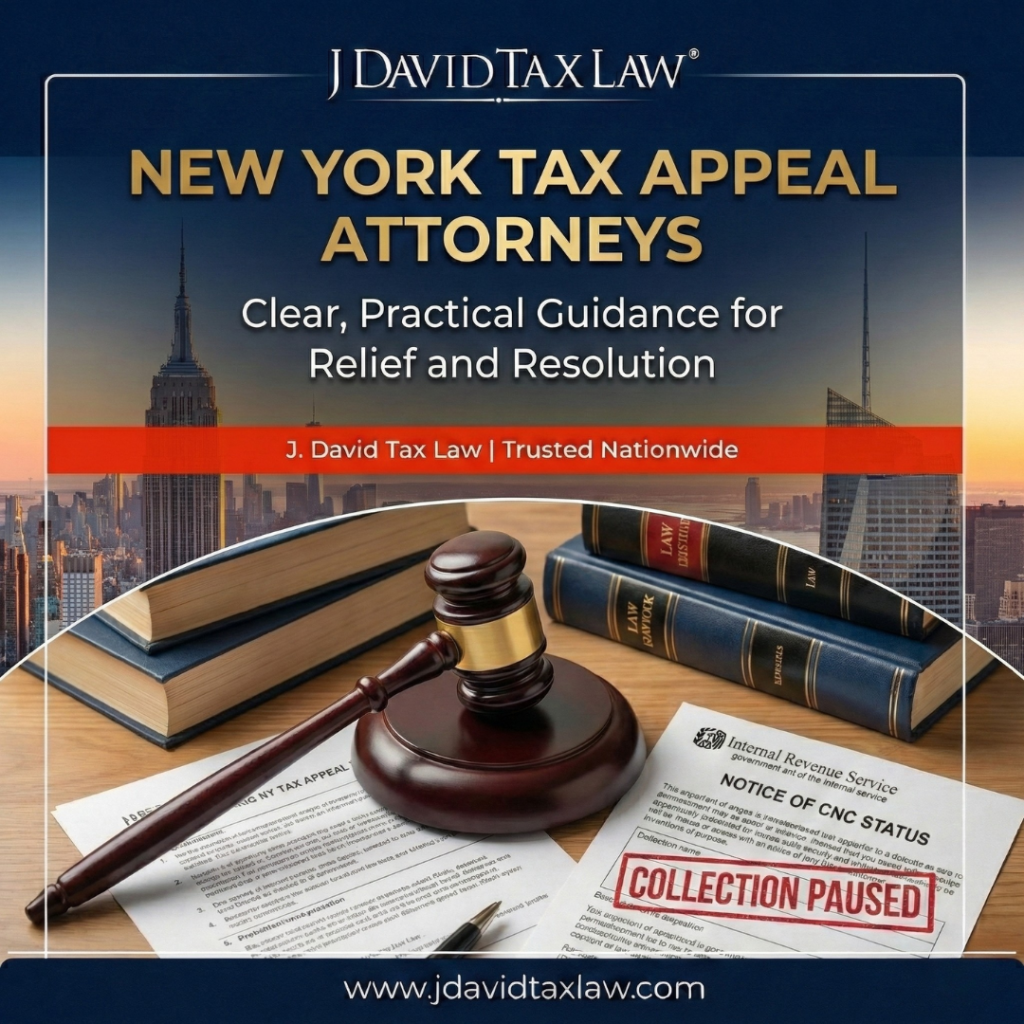
New York Tax Appeal Attorneys — Clear, Practical Guidance for Relief and Resolution
Facing a tax appeal in New York can feel overwhelming for individuals and businesses alike. This article breaks the process down—what to expect, where pitfalls often appear, and how experienced tax appeal counsel can help secure better results. The technical rules and deadlines matter; missteps can mean costly decisions and added stress. Bringing a knowledgeable tax appeal attorney on your side gives you the expertise to protect your interests. Below we walk through the appeal process, the role of IRS tax relief attorneys, key relief programs, when to call a state tax audit lawyer, how lien removal works, and what to bring to a free consultation.
What Is the Tax Appeal Process in New York?
New York’s tax appeal process is a formal system that lets taxpayers challenge assessments they believe are incorrect. It exists to ensure assessments are fair and based on accurate information. Typically, an appeal starts with a written filing to the appropriate tax authority, which reviews the evidence and issues a decision. Knowing the steps and deadlines in advance helps taxpayers protect their finances and plan next steps if the outcome is unfavorable.
How do taxpayers file a tax appeal in New York State?
To file an appeal in New York State you must first confirm you’re eligible—usually as a property owner or someone with a legal interest in the assessed property. Expect to submit the original tax bill, documentation that supports your claim, and any correspondence with the tax authority. Deadlines are strict and differ by tax type and jurisdiction; for example, property tax appeals in New York City generally must be filed with the Tax Commission by March 15th of the tax year. If the process feels complex or deadlines are unclear, a New York tax attorney can guide you through each step. Legal representation helps ensure your appeal is filed correctly, supported with strong evidence, and submitted on time.
What are the key procedural steps in New York tax appeals?
The core steps are: file the appeal, present your case at a hearing, and receive a determination from the tax authority. At the hearing you can submit evidence and call witnesses to support your position. After the decision, you can accept the ruling or pursue further review—such as seeking judicial review in the New York State Supreme Court—if you believe the authority erred.
How Can an IRS Tax Relief Attorney in New York Assist You?

An IRS tax relief attorney brings federal tax law experience to audits, disputes, and appeals. These lawyers handle communications with the IRS, craft legal arguments, and design negotiation strategies tailored to your situation. Their expertise often changes how a case unfolds, so legal representation is worth considering when stakes are high.
What roles do tax appeal attorneys play in IRS audits and disputes?
Tax appeal attorneys act as your advocate during audits and disputes: they protect your rights, assemble and present evidence, and negotiate directly with the IRS. They also develop defenses specific to your facts—reducing exposure and improving the likelihood of a favorable result.
How do attorneys negotiate tax debt resolution and lien removal?
Attorneys approach tax debt resolution by first assessing your finances and the details of the liability. They negotiate options like installment agreements, Offers in Compromise, or other settlements based on what’s realistic for your situation. Successful negotiation can lower what you owe and lead to lien removal or subordination, easing the immediate financial pressure.
What Are the Main Tax Relief Programs Available in New York?
Taxpayers in New York may qualify for federal and state programs that reduce or restructure tax obligations. These options can offer meaningful relief—lowering balances, improving cash flow, and reducing penalties. Knowing which programs apply is key to an effective relief plan.
How does the Offer In Compromise program reduce tax debt?
The Offer In Compromise (OIC) lets eligible taxpayers settle certain federal tax debts for less than the full amount owed. It’s designed for taxpayers who can’t reasonably pay their full liability. Qualification requires a detailed application showing your financial picture. Note: the OIC is an IRS program and does not apply to New York State taxes, which follow separate procedures.
What benefits does the IRS Fresh Start Program provide to taxpayers?
The IRS Fresh Start Program expands access to installment agreements and eases qualifying rules for some relief options, making it easier to manage tax debt. Its goal is to help taxpayers get back on stable financial footing by reducing penalties and offering more manageable repayment terms.
When Should You Consult a State Tax Audit Lawyer in New York?
Talk to a state tax audit lawyer as soon as you receive notice of a state audit or suspect an assessment is incorrect. Early legal involvement improves your ability to preserve records, respond correctly, and shape a stronger case.
What are your rights during a New York state tax audit?
During a state tax audit you have rights including representation, confidentiality of financial records, and the right to appeal determinations. Knowing these rights helps you respond confidently and avoid unintended concessions.
How can legal representation improve audit outcomes?
Legal counsel improves outcomes by ensuring preparation is complete, arguments are legally grounded, and negotiations are strategic. Attorneys help collect the right documents, present persuasive positions, and seek results that limit penalties and liability.
How Does a Tax Lien Removal Attorney in New York Help Resolve Tax Liens?

Tax lien removal attorneys focus on resolving liens that threaten your credit and financial options. They know the procedural steps and negotiation tactics needed to lift, subordinate, or withdraw liens—and to restore financial flexibility.
What is the process for removing tax liens in New York?
Removing a tax lien typically involves paying the debt in full and filing for a release, or negotiating alternatives such as subordination or withdrawal. Each path requires precise paperwork and an understanding of the relevant tax rules—areas where experienced counsel is invaluable.
What strategies do attorneys use to negotiate lien releases?
Attorneys may seek a lien release by documenting financial hardship, showing compliance, proposing realistic payment plans, or negotiating an Offer in Compromise. Clear communication with the tax authority and solid supporting evidence are essential to success.
What Should You Expect During a Free Consultation with a New York Tax Appeal Attorney?
A free consultation lets you discuss your situation, review documents, and learn practical next steps. It’s a chance to evaluate the attorney’s approach and determine whether their experience fits your needs.
What information should you prepare for your initial consultation?
Bring relevant tax notices, recent tax returns, bank statements, and any correspondence with tax authorities. Also prepare a timeline of events and a list of questions—this helps the attorney assess your case efficiently and suggest focused options.
How do attorneys develop personalized tax relief strategies?
Attorneys build tailored strategies by examining your financial details, liabilities, and long-term goals. That assessment drives a plan that may combine negotiation, relief programs, and procedural steps designed to achieve the best possible resolution. See our case studies for examples of results we pursue on behalf of clients.
Frequently Asked Questions
What are the common reasons for filing a tax appeal in New York?
Common reasons include disputes over property assessments, calculation errors, and denied exemptions. Taxpayers often appeal when they believe their property is overvalued or when market or property changes aren’t reflected in the assessment. Recognizing those triggers helps you decide when an appeal is appropriate.
How long does the tax appeal process typically take in New York?
Timing varies with case complexity and the tax authority involved. Many appeals resolve in a few months, while others can take a year or more. After filing you may wait weeks for a hearing date, then additional time for a written decision. Being prepared for a multi-month timeline helps you manage expectations.
Can taxpayers represent themselves in a tax appeal?
Yes—taxpayers may represent themselves—but tax law and appeal procedures are technical. Professional representation helps ensure documentation is complete, deadlines are met, and arguments are presented effectively, which often improves the chance of a successful result.
What should taxpayers do if their appeal is denied?
If an appeal is denied you can accept the decision or pursue further legal options, such as filing for judicial review in New York State Supreme Court. Timely action is critical to preserve appeal rights, so consult counsel quickly to evaluate next steps.
Are there fees associated with hiring a tax appeal attorney?
Yes—fees vary by attorney, case complexity, and fee structure. Some lawyers charge flat fees for specific services; others use hourly rates or contingency arrangements. Discuss fees up front during the initial consultation so you understand costs and billing expectations.
What impact can a successful tax appeal have on future tax assessments?
A successful appeal can lower a property’s assessed value, reducing future tax bills. It can also influence how similar properties are assessed by the tax authority, providing longer-term savings and stability.