






Navigating IRS Tax Debt Resolution and State Tax Disputes in Austin: Expert Legal Guidance
Navigating the complexities of tax disputes can be daunting for many taxpayers in Austin. Understanding the differences between IRS and state tax issues is crucial for effective resolution. This article will provide insights into the mechanisms of tax enforcement, the role of tax attorneys, and the available payment plans for tax debt. Many individuals face challenges when dealing with tax liens, audits, and penalties, but with the right guidance, these issues can be managed effectively. We will explore key differences between IRS and Texas state tax disputes, how tax attorneys can assist, and the resources available for taxpayers in Austin.
What Are the Key Differences Between IRS and Texas State Tax Disputes?
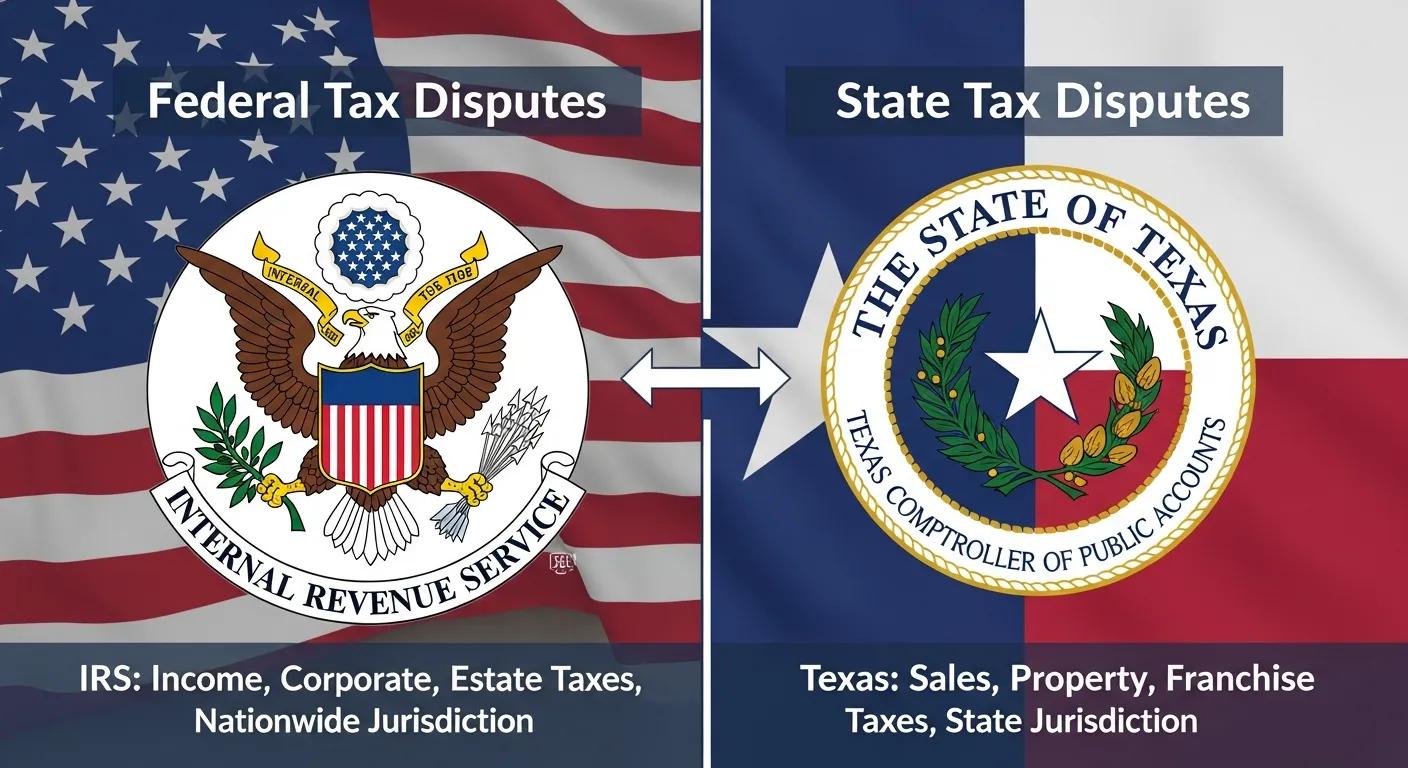
Understanding the distinctions between IRS and Texas state tax disputes is essential for taxpayers. The IRS operates under federal law, while state tax disputes are governed by Texas state law. This difference in jurisdiction leads to varying enforcement mechanisms and procedures. Taxpayers often encounter unique challenges depending on whether they are dealing with federal or state tax authorities.
How Does IRS Tax Debt Enforcement Work in Austin?
IRS tax debt enforcement in Austin involves several collection methods, including wage garnishments, bank levies, and property liens. The IRS typically initiates these actions after a taxpayer fails to respond to notices or pay owed taxes. The impact on taxpayers can be significant, leading to financial strain and potential loss of assets. Understanding these enforcement actions is crucial for taxpayers to take proactive steps in resolving their tax debts.
What Are Common Texas State Tax Audit and Penalty Procedures?
Texas state tax audits are initiated based on various triggers, such as discrepancies in reported sales tax or failure to file returns. The audit process typically involves a review of financial records and may result in penalties for underreporting taxable sales or failing to file returns. Common penalties include interest on unpaid taxes and additional fines. Taxpayers should be aware of these procedures to prepare adequately and respond effectively to audit notifications.
Further insights into the state’s auditing framework highlight the importance of robust procedures for accountability.
Texas State Tax Auditing & Accountability
This paper conducts a comparative analysis of Texas’s Internal Auditing Statute against professional standards and auditing statutes from other states. It identifies components of an ideal internal auditing framework and underscores the importance of aligning state auditing laws with established standards to enhance accountability and performance in public management. The study posits that effective internal auditing is crucial for maintaining financial integrity and preventing waste in state operations.
A Review of the Texas State Internal Auditing Statute: A Comparative Analysis with Professional Standards and other State Auditing Statutes, 1991
How Can a Tax Attorney Help Resolve IRS and State Tax Issues in Austin?
Tax attorneys play a vital role in navigating the complexities of tax disputes. They provide legal representation and can negotiate on behalf of taxpayers to reach favorable resolutions. Understanding the legal landscape is essential for effective dispute resolution, and tax attorneys bring expertise in both IRS and state tax matters.
Understanding the unique dynamics of tax disputes, where officials hold significant power, is crucial for effective negotiation.
Tax Dispute Negotiation Strategies for Taxpayers & Auditors
Disputes between officials and citizens during tax enforcement differ from most civil disputes between citizens in several ways: They are initiated when the officiat claims the citizen has not followed the law; they are fundumentally about the cowect interpretation of the law; and the official has the formal power to end the dispute within the enforcement arena by making a decision that is legally binding on the citizen.
Negotiating strategies for tax disputes: Preferences of taxpayers and auditors, LJ Stalans, 1994
What Legal Strategies Are Effective for IRS Tax Debt Resolution?
Effective legal strategies for resolving IRS tax debt include negotiation tactics such as offers in compromise and installment agreements. Tax attorneys can assess a taxpayer’s financial situation and determine the best approach for negotiation. These strategies aim to reduce the overall tax liability and create manageable payment plans, providing relief to taxpayers facing overwhelming debt.
For those navigating federal tax challenges, understanding the intricacies of negotiation and litigation is paramount.
Federal Tax Dispute Negotiation & Litigation
disputing a tax matter with the Federal government. The practitioner can delve into a specific topic, or read the book from start to finish for insights on negotiation and litigation strategies.
Federal Tax Litigation, 2001
How Do Attorneys Navigate Texas State Tax Disputes and Audits?
Navigating Texas state tax disputes requires a thorough understanding of state laws and regulations. Tax attorneys advocate for their clients by ensuring compliance with state tax codes and representing them during audits. They can help taxpayers understand their rights and obligations, making the process less intimidating and more manageable.
What Payment Plans and Settlement Options Are Available for Tax Debt in Austin?
Taxpayers in Austin have several options for managing tax debt, including payment plans and settlement options. Understanding these alternatives can provide relief and help taxpayers regain financial stability.
How Do IRS Installment Agreements and Offers in Compromise Work?
IRS installment agreements allow taxpayers to pay their tax debt in manageable monthly payments. Offers in compromise enable taxpayers to settle their tax debts for less than the full amount owed, based on their ability to pay. These options provide flexibility for taxpayers struggling to meet their tax obligations.
What Are State Tax Payment Plans and Penalty Abatement Options?
Texas offers various payment plans for state tax debts, allowing taxpayers to spread their payments over time. Additionally, penalty abatement options may be available for taxpayers who can demonstrate reasonable cause for their failure to pay on time. Understanding these options can help taxpayers navigate their financial responsibilities more effectively.
Where Can Austin Taxpayers Find Support and Resources for IRS vs State Tax Disputes?
Taxpayers in Austin can access various resources to support them in resolving tax disputes. Local organizations, online resources, and government agencies provide valuable information and assistance.
How Do Recent IRS and Texas Comptroller Enforcement Trends Affect Taxpayers?
Recent trends in IRS and Texas Comptroller enforcement indicate a continued focus on tax compliance and collections, with some increases in enforcement activity following the COVID-19 pandemic. Taxpayers should stay informed about these changes, as they can impact their financial decisions and obligations. Understanding these trends can help taxpayers prepare and respond effectively to potential enforcement actions.
| Tax Authority | Enforcement Mechanism | Common Actions |
|---|---|---|
| IRS | Federal Law | Wage garnishments, bank levies, property liens |
| Texas State | State Law | Audits, penalties, payment plans |
This table illustrates the differences in enforcement mechanisms between the IRS and Texas state tax authorities, highlighting the common actions taken against taxpayers. Understanding these mechanisms is crucial for effective tax dispute resolution.
Taxpayers in Austin facing IRS or state tax disputes can benefit from the expertise of tax attorneys like J David Tax Law, who specialize in tax resolution services. Their knowledge of both federal and state tax laws can provide invaluable support in navigating these complex issues.
Conclusion
Facing IRS tax debt or Texas state tax disputes can feel overwhelming, especially when enforcement actions threaten your income, assets, or business operations. Understanding the differences between federal and state tax authorities is essential, but navigating those systems alone often puts taxpayers at a disadvantage. With experienced legal guidance, many tax problems can be resolved through negotiation, structured payment plans, or strategic settlements that protect long-term financial stability. Tax attorneys bring clarity, advocacy, and procedural knowledge to situations where the stakes are high and mistakes are costly.
Frequently Asked Questions
Do I need a tax attorney for IRS or Texas state tax problems?
While not legally required, working with a tax attorney is strongly recommended if you are facing IRS collections, audits, liens, or Texas Comptroller enforcement. Tax attorneys understand procedural rules, taxpayer rights, and negotiation strategies that can significantly reduce financial exposure and prevent costly mistakes.
What is the biggest difference between IRS tax debt and Texas state tax debt?
The IRS enforces federal income tax laws and has broad collection powers such as wage garnishments and bank levies. Texas does not impose a state income tax but aggressively enforces sales and franchise taxes through audits, penalties, and business account freezes. Each authority follows different laws, timelines, and resolution procedures.
Can IRS wage garnishments or bank levies be stopped?
Yes, in many cases IRS collection actions can be paused or released through legal intervention. Options may include installment agreements, offers in compromise, currently not collectible status, or appeals. Acting quickly is critical once enforcement begins.
How long does an IRS or Texas state tax audit take?
Audit timelines vary based on complexity, responsiveness, and documentation. IRS audits may take several months to over a year, while Texas Comptroller audits often depend on the scope of sales or franchise tax review. Legal representation can help streamline the process and limit exposure.
Are payment plans available for both IRS and Texas tax debts?
Yes. The IRS offers installment agreements and settlement options based on financial ability. Texas also provides structured payment plans for qualifying taxpayers, particularly for sales and business taxes. Penalty abatement may be available under certain circumstances.
Can penalties and interest be reduced or removed?
In some situations, penalties may be reduced or eliminated if reasonable cause is established, such as serious illness, reliance on incorrect professional advice, or natural disasters. Interest generally cannot be fully removed but may be limited through resolution strategies.